
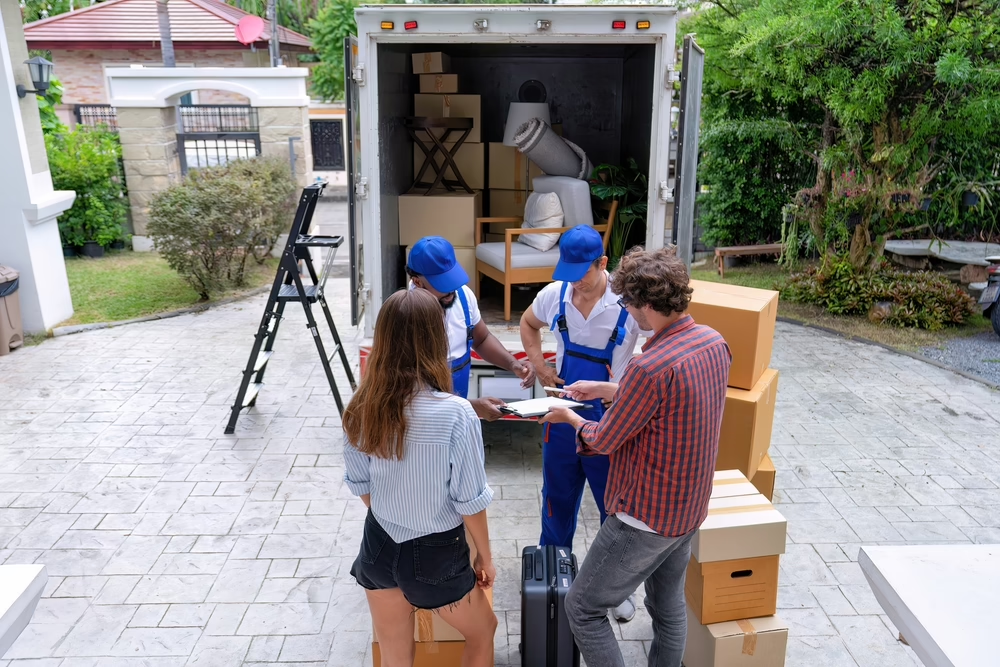
Moving to a new state or across the country is an exciting milestone, but let’s be honest: the logistics can feel like a giant puzzle. Among the most frequent questions we hear at Louderback Moving is, “How much is this actually going to cost?”
Unlike a local move, which is usually billed by the hour, long-distance moving costs are calculated using a more complex formula. If you’re staring at a house full of furniture and wondering how to budget, you’re in the right place with our team of long distance movers near Bethlehem.
In this guide, we’ll break down exactly how to estimate long distance moving costs so you can plan with confidence and avoid those dreaded “moving day surprises.”
1. Understand the “Big Two”: Weight and Distance
In the world of interstate moving, two primary factors dictate your baseline price: how much your stuff weighs and how far it’s going.
The Weight of Your Belongings
Long-distance movers typically charge a rate per pound (or sometimes per cubic foot). Because we use heavy-duty trucks that have strict legal weight limits and consume more fuel as they get heavier, the weight of your inventory is the most significant variable.
The Mileage
The distance between your current home and your new destination is the second half of the equation. This covers fuel, tolls, and the driver’s time. While you can’t change the distance to your new home, knowing your exact mileage helps us provide a more precise quote.
2. Factor in the Timing: The “When” Matters
Did you know that moving in July can cost significantly more than moving in January? Moving is a seasonal industry.
- Peak Season: From May through September, demand is at its highest. Prices are typically at their peak, and availability is tight.
- Off-Peak: Moving mid-month or mid-week during the late fall or winter can often secure you a more competitive rate.
If you have flexibility in your schedule, ask your Louderback Moving coordinator if shifting your date by even a few days could impact your estimate.
3. Account for Additional Services
The “base price” covers the transport, but most families need a little extra help. When estimating your costs, don’t forget to include these common add-ons:
| Service | What It Includes | Cost Impact |
| Full-Service Packing | We bring the boxes, paper, and tape and pack everything for you. | High (Labor + Materials) |
| Specialty Crating | Custom wooden crates for fine art, marble tops, or pianos. | Moderate |
| Storage-in-Transit | If your new home isn’t ready, we hold your items in a secure warehouse. | Monthly Fee |
| Unpacking | We remove items from boxes and dispose of the debris. | Low to Moderate |
4. Watch Out for “Accessorial” Charges
Sometimes, the physical layout of your home affects the labor required. These are often called accessorial charges, and being upfront about them is the only way to get an accurate estimate.
- Stair and Elevator Fees: If the movers have to navigate four flights of stairs or a slow freight elevator, it takes more time and effort.
- Long Carry: If the moving truck cannot park close to your front door (common in city apartments), you may be charged a “long carry” fee for the extra distance walked.
- Shuttle Service: If you are moving to a narrow street where a massive 18-wheeler can’t fit, we may need to use a smaller “shuttle” truck to transfer your goods.
5. Choose the Right Estimate Type
Not all quotes are created equal. When you receive an estimate from Louderback Moving, it will typically fall into one of three categories:
- Non-Binding Estimate: This is a “best guess” based on the estimated weight. The final cost may change based on the actual weight of the truck on a certified scale.
- Binding Estimate: This is a fixed price. As long as your inventory doesn’t change, the price won’t either.
- Binding Not-to-Exceed (BNTE): Often considered the most consumer-friendly, this caps your maximum cost but allows you to pay less if your shipment ends up weighing less than expected.
6. Get a Professional Survey (Virtual or In-Home)
The biggest mistake people make when trying to estimate long-distance moving costs is relying on a “phone quote.” To give you a truly accurate number, an expert needs to see your belongings.
At Louderback Moving, we offer:
- In-Home Walkthroughs: A relocation specialist visits your home to assess the volume and any “tricky” items.
- Virtual Surveys: Using your smartphone, you can walk us through your home via video, allowing us to see every closet and crawlspace for a pinpoint-accurate inventory.
Why Choose Louderback Moving?
As an agent for Mayflower Transit, Louderback Moving combines the personalized touch of a local business with the vast resources of a national network. We’ve been helping families move cross-country since 1997, and our “No Surprises” philosophy means we work harder than anyone to make sure your estimate is as close to the final bill as possible.
Ready for a Quote?
Estimating costs for long-distance movers near Philadelphia doesn’t have to be a guessing game. By understanding the weight of your items, the distance of the trip, and the specific services you need, you can take control of your moving budget.